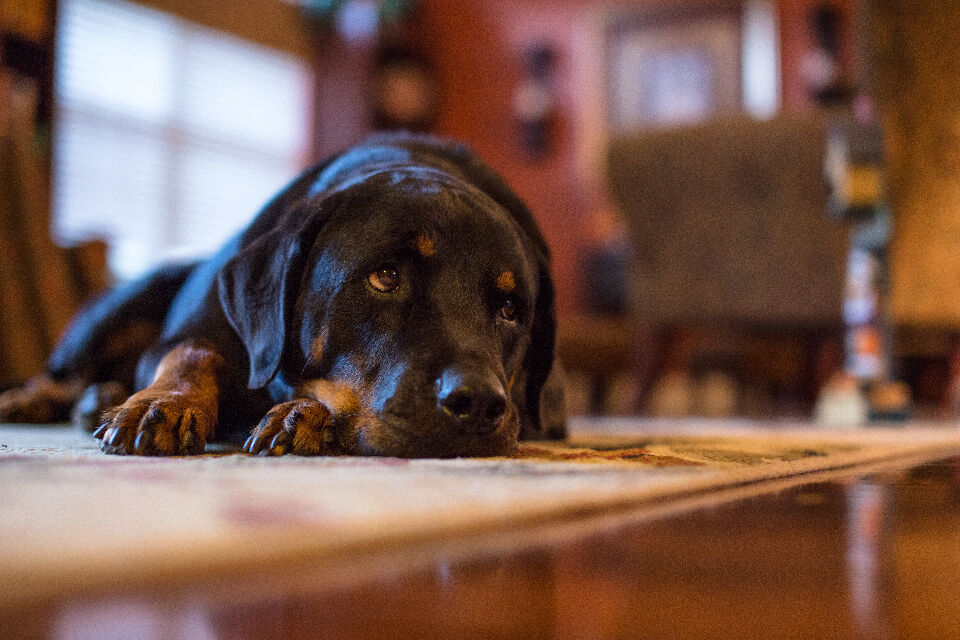
Bali is famous for its temples, beaches and rice fields. It is also home to many street dogs and to monkeys that roam freely around some popular sites. Most visitors never have a problem with either.
Rabies is still a real risk in Bali, though. It is worth understanding before you go. This guide explains how rabies spreads, how to lower your risk and what to do straight away if you are bitten or scratched.
What rabies is and why it matters
Rabies is a virus that people can catch from infected mammals. The World Health Organization says that once symptoms appear, rabies is virtually 100 per cent fatal. That is why prevention and fast treatment matter so much.
The incubation period can vary from one week to one year, according to the WHO. It is typically two to three months. A person can feel well for a long time after being exposed.
NSW Health lists Bali among the high risk areas for rabies in Asia. It also says there is no available treatment once symptoms have started. The good news is that rabies can be prevented if you act quickly after a bite or scratch.
How rabies spreads
NSW Health says rabies spreads through bites, scratches or exposure to an animal’s saliva. That includes saliva getting into the nose, eyes or mouth. A small scratch counts, not just a deep bite.
The WHO says dogs are the source of the vast majority of rabies virus transmission. NSW Health tells travellers to avoid dogs, cats, bats and monkeys in particular. It also says to avoid contact with all wild and domestic animals.
Stray dogs and cats are a particular concern. Many of them look calm and friendly. That does not mean they are free of the virus.
Monkeys at tourist sites
Several of Bali’s best known sites have large groups of monkeys. They are used to people and can be bold. Some will grab bags, sunglasses or food without warning.
Keep your distance and resist the urge to touch or feed them. Do not carry food in your hands while you walk around. NSW Health advises against carrying food outdoors because it can draw animals in.
If you go on a tour that visits a monkey area, listen to the local guides. Keep loose items packed away. Stay calm and walk away slowly if a monkey comes close.
Simple ways to lower your risk
Most of the risk comes down to contact with animals. Keeping your hands to yourself is the simplest rule. NSW Health suggests a few habits that make a big difference:
- Do not feed, pat or play with dogs, cats, monkeys or bats.
- Do not let children feed or pat animals.
- Avoid carrying food outdoors where animals can see it.
- Stay alert when cycling, running or riding a scooter, as these can provoke animals.
Children need extra care. They are often drawn to animals and may not mention a small scratch. Talk with them about the rules before the trip.
Some villas and homestays have dogs on the grounds. If that matters to you, ask about it before you book. Anyone running Bali villa rental businesses should make this clear to guests up front.
Should you get vaccinated before you travel?
A rabies vaccine is available for travellers. NSW Health says to talk to a doctor at least one month before you leave. That gives time to complete the full course if you need it.
Your doctor will look at where you are going and how much contact with animals you might have. They will also think about your access to emergency care and your own health. Vaccination is a personal decision to make with your doctor.
A travel health visit is a good time to cover other risks too. Many of the local health and safety risks in Bali are easy to plan for. Book the appointment early so you are not rushing in the last week.
What to do if you are bitten or scratched
Act straight away, even if the wound looks minor. NSW Health says to wash the wound with soap and water for at least 15 minutes. The WHO gives the same advice to flush it with plenty of water for about 15 minutes.
Next, apply an antiseptic with antiviral action. NSW Health lists povidone iodine, iodine tincture, aqueous iodine, chlorhexidine or alcohol with at least 70 per cent ethanol. Then get medical care as soon as possible.
Treatment after exposure may involve rabies immunoglobulin and a rabies vaccine. NSW Health says people who were never vaccinated need immunoglobulin as soon as possible, then four or five vaccine injections over one month. People who were fully vaccinated before the trip need two more doses.
Keep your records
NSW Health notes that rabies immunoglobulin can be hard to get in some countries. The vaccine itself is usually available. Ask the clinic for a certificate that lists the clinic contact details and each batch and dose.
Bring that certificate home with you. It helps your doctor in Australia finish the course correctly. In NSW, the local public health unit can arrange vaccine and immunoglobulin delivery to a GP or hospital.
Planning a relaxed trip
Rabies should not stop you from enjoying Bali. A little care around animals goes a long way. Most visitors spend their days at the beach, in cafes or on tours without any trouble.
Busy areas are part of the fun. If you are spending time in places like Canggu, you will see plenty of dogs on the beach and in the lanes. Knowing why Canggu is so popular with visitors helps you plan where you will be walking and riding.
Think about the season as well. Your plans for when to holiday in Bali can shape where you go and how much time you spend outdoors. Either way, the same simple rules about animals apply all year.
Frequently asked questions
Is there rabies in Bali?
Yes. NSW Health lists Bali among the high risk areas for rabies in Asia. Avoiding contact with animals is the best way to lower your risk.
What should I do first after a dog or monkey bite?
Wash the wound with soap and water for at least 15 minutes. Apply an antiseptic with antiviral action. Then get medical care as soon as possible.
Is a scratch as risky as a bite?
A scratch can still pass on the virus. Saliva in the eyes, nose or mouth is also a risk. Treat any of these the same way as a bite and see a doctor.
When should I see a doctor about the rabies vaccine?
NSW Health suggests seeing a doctor at least one month before you travel. This allows time to finish the full course if your doctor recommends it. Your doctor can also talk through other travel health needs at the same visit.
This article is general information only and is not medical advice. Please speak with a doctor or qualified health professional about your own health and travel plans.